A Hidden Gem Beneath Masjid Nabawi: A Journey Through Islamic History
Emdad Rahman
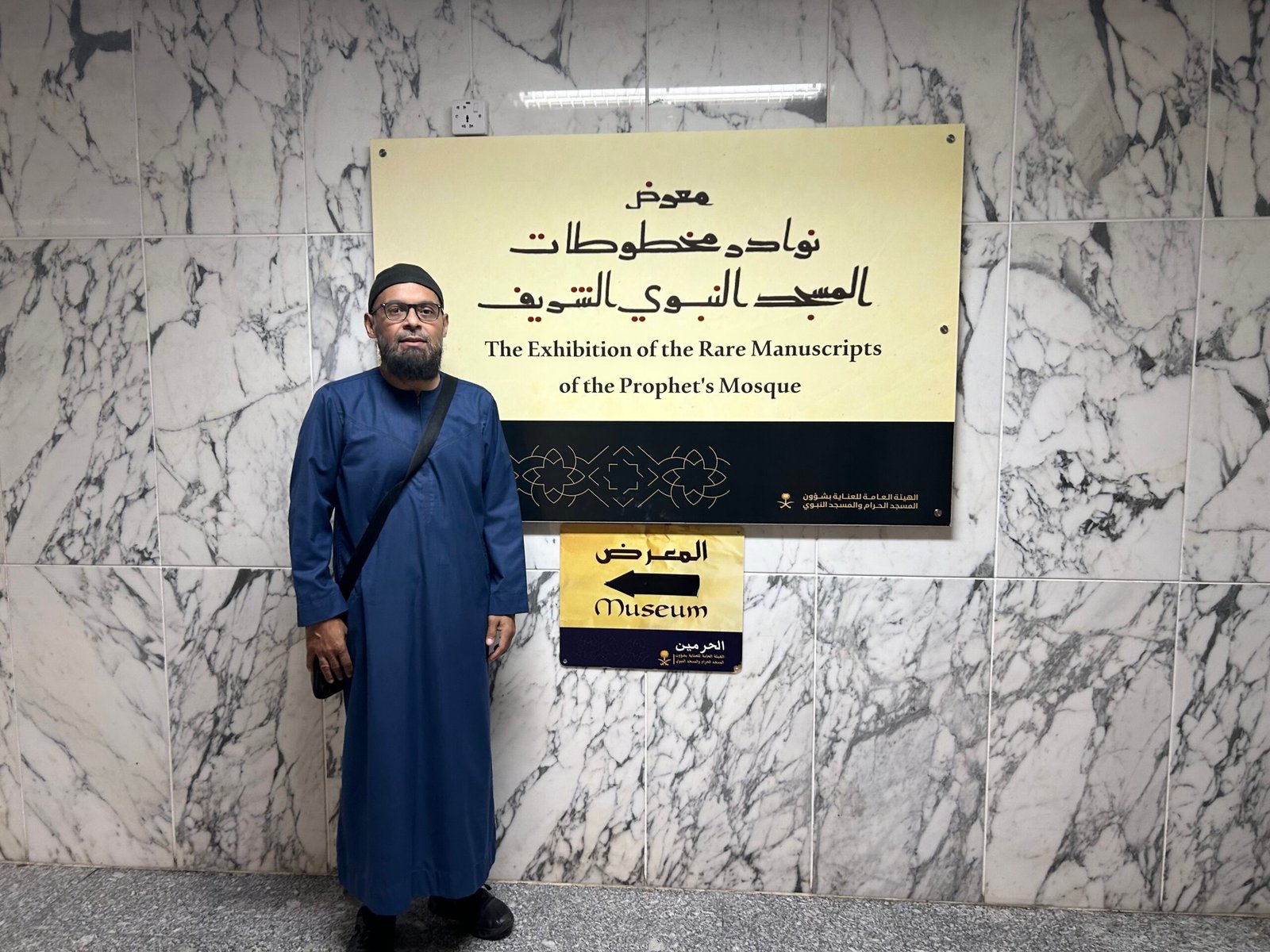
Some of the most remarkable discoveries are found in places we might otherwise walk straight past. During my visit to Masjid Nabawi in Madinah, I came across a fascinating exhibition tucked away in the basement of the Prophet’s (PBUH) Mosque. It was one of those unexpected discoveries that makes travelling so rewarding.
Madinah is a city rich in history, spirituality and learning. Millions visit to pray, reflect and experience the extraordinary atmosphere surrounding Masjid Nabawi.
Yet there is so much more to discover beyond the courtyards, prayer halls and familiar landmarks. This little-known exhibition is well worth seeking out.
The entrance is relatively understated, which makes finding it feel like discovering a hidden treasure. Once inside, you are introduced to an interesting collection of historical Islamic artefacts, manuscripts and examples of early Quranic writing. It offers a glimpse into the preservation, development and transmission of knowledge across generations.
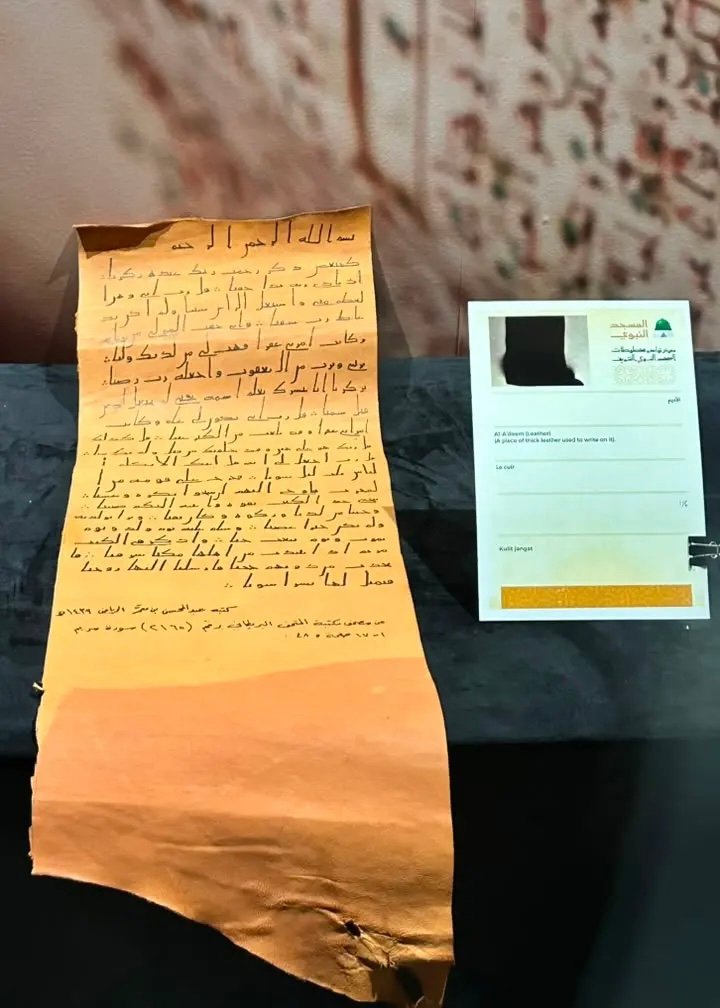
What particularly caught my attention was the collection of historic Quranic manuscripts. Seeing handwritten Arabic script preserved for generations is quite something.
Some examples date back hundreds of years, while other displays offer fascinating insights into much earlier writing traditions and the materials used to record knowledge.
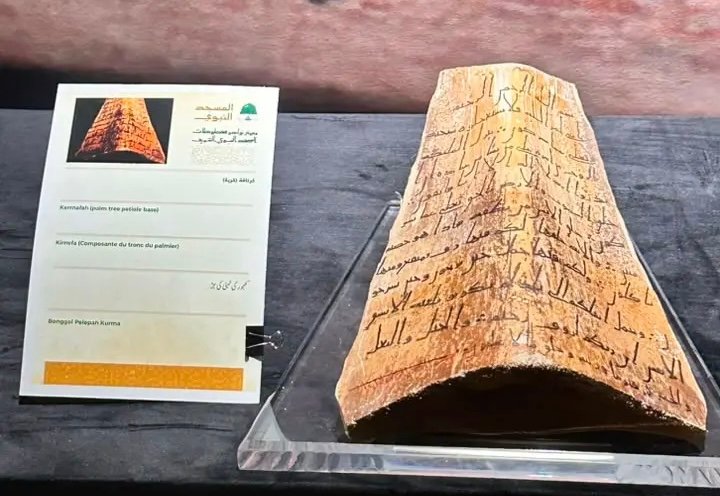
One of the most intriguing aspects was seeing examples of Quranic inscriptions on unusual materials, including bone. It is a reminder that preserving knowledge was not always as straightforward as opening a book, switching on a computer or accessing a digital library. People worked with the materials available to them, demonstrating extraordinary dedication to recording and safeguarding important knowledge.
For someone who enjoys reading, books, history and sharing knowledge through BookBike, this exhibition resonated particularly strongly.
My work has taken me into communities across different countries, sharing thousands of books and discovering how reading connects people regardless of their background, language or circumstances.
Here, I was reminded that the written word is much bigger than the physical book. It carries history, identity, culture, learning and the collective experiences of humanity. Every manuscript has a story, and every preserved artefact represents somebody’s contribution to keeping knowledge alive.
I also appreciated the opportunity to see these exhibits in such a historically and spiritually significant setting. There is something special about experiencing the history of Islamic scholarship while visiting the city of Madinah.
My advice to anyone visiting Masjid Nabawi is simple: take time to explore, ask questions and discover what might be hiding in plain sight.
These smaller experiences can sometimes become the most memorable parts of a journey.
I would certainly recommend adding this exhibition to your Madinah itinerary, particularly if you appreciate history, manuscripts, literature and education.
Travel is about expanding our horizons, discovering unfamiliar stories and returning home with something new to think about.
Sometimes the greatest treasures are not things we take home, but the knowledge, appreciation and perspective we bring back with us.