Bengal United: Documenting 50 Years of British Bangladeshi Football in Tower Hamlets
Emdad Rahman
New heritage project to document five decades of Bangladeshi football in London’s East End
A major new heritage project has begun in Tower Hamlets to uncover, document and preserve the largely untold story of football within the borough’s British Bangladeshi community.
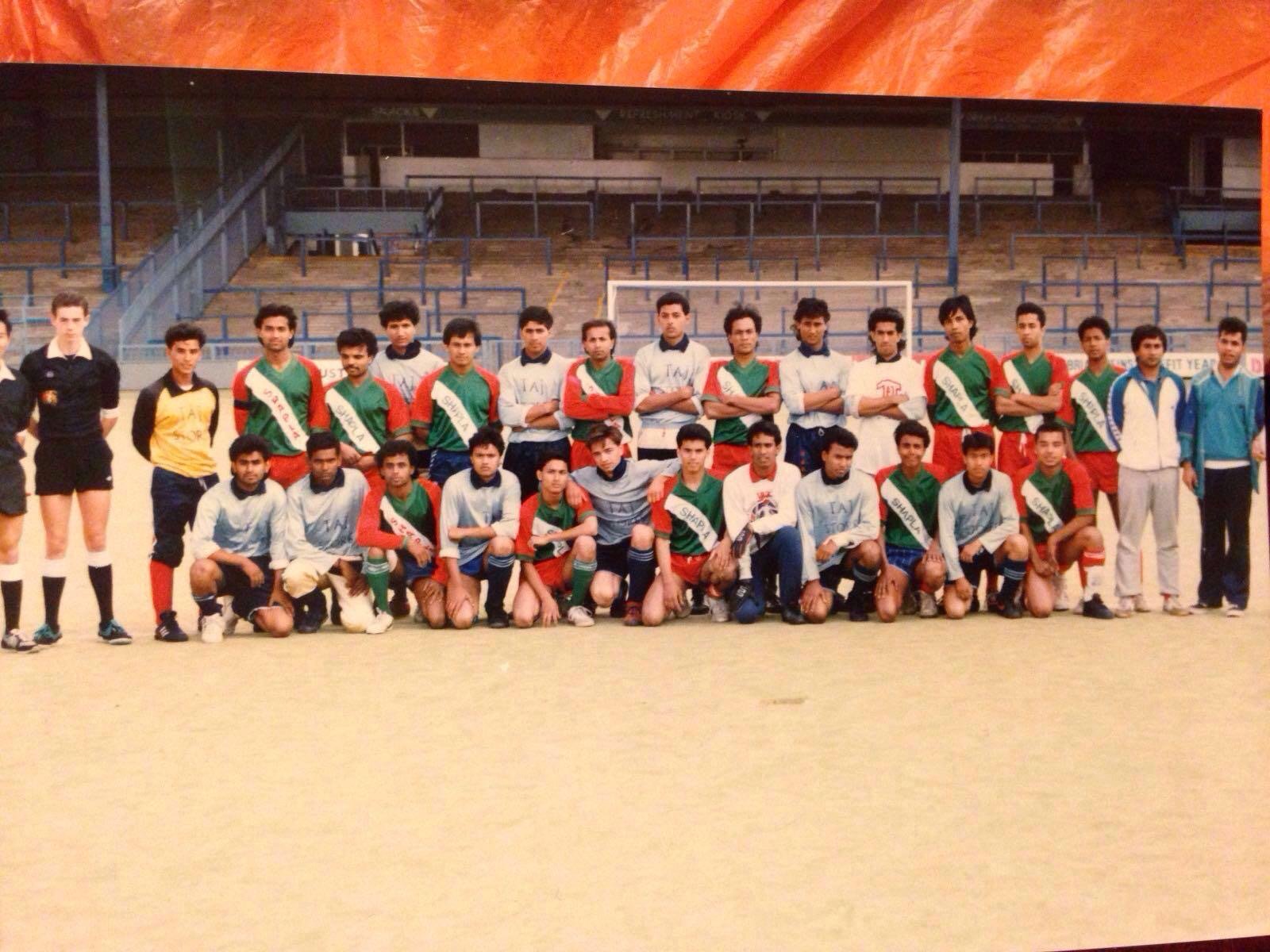
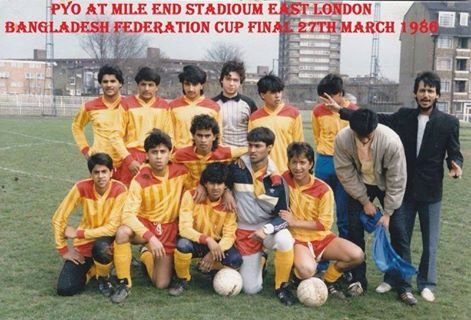
Bengal United: The Story of British Bangladeshi Football in Tower Hamlets is a Swadhinata Trust project and will document the development of football in the community from the arrival of large numbers of Bangladeshis in the East End during the 1970s through to the present day.
The project will be led by local historian and author Tharik Hussain, who has delivered award winning heritage projects and written critically acclaimed books exploring minority histories and cultures across Britain and Europe.
For Hussain, Bengal United is also a deeply personal project.
He grew up playing football in Tower Hamlets for local Bangladesh founded teams including Stepney FC, Sporting Bengal and Beaumont Athletic, giving him a lifelong connection to the heritage the project will explore.
Over the coming year, Hussain will work alongside young volunteers and community members to recover photographs, documents, memorabilia and first hand memories from more than half a century of local football.
“For people like me who grew up in Tower Hamlets, football was never just a game,” said Hussain.
“It was where lifelong friendships were made, where we found community and where many of us first began to feel that this part of London belonged to us too.
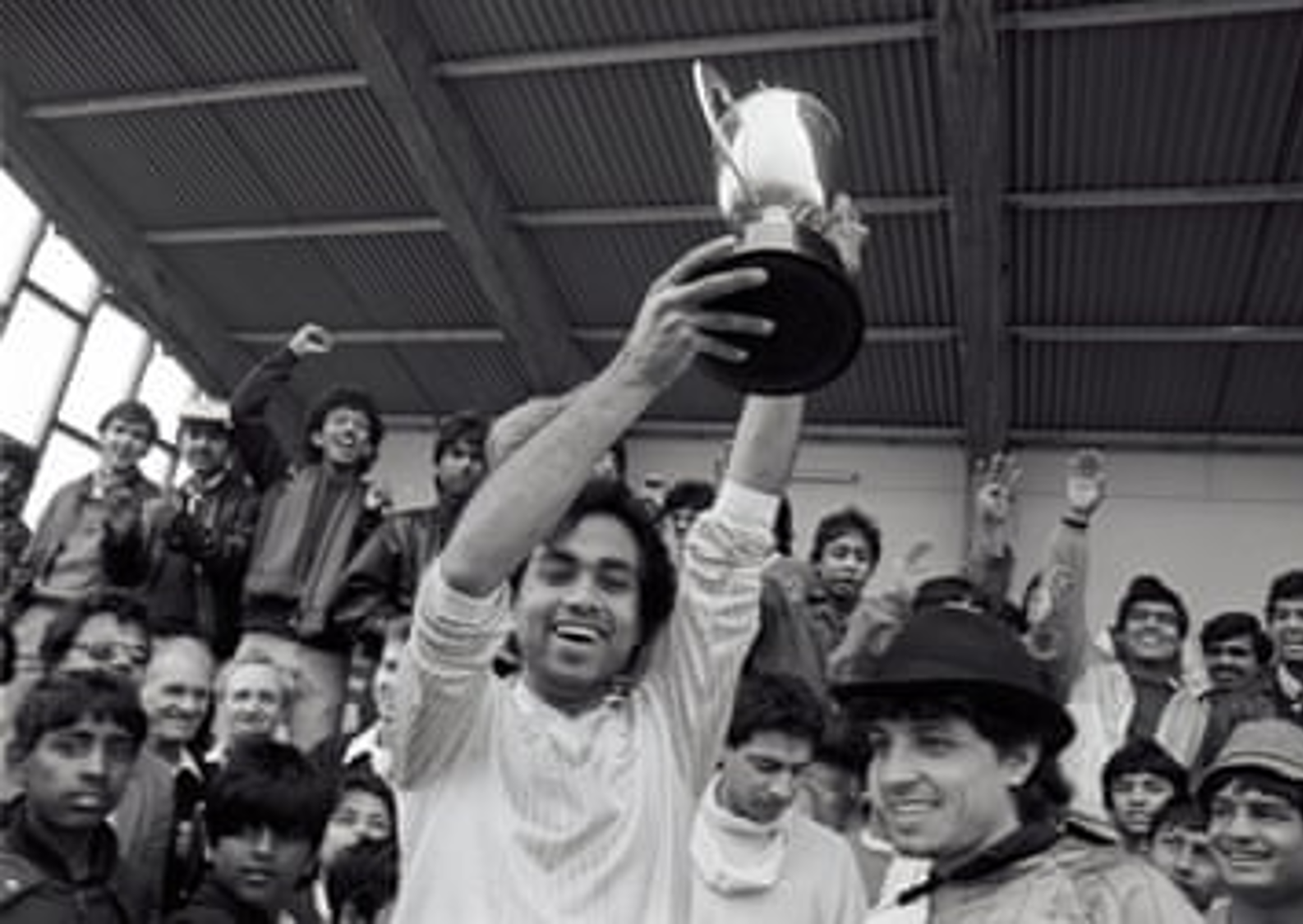
“Football has played so many different roles in British Bangladeshi life. In the early years, teams and youth organisations became part of the struggle against racism.
“By the 1990s, when drugs and substance abuse were devastating parts of our community, football gave many young people somewhere to go, something positive to focus on and people to look up to. It took young East Enders across Britain and abroad on football tours, broadening horizons that could otherwise feel very narrow.
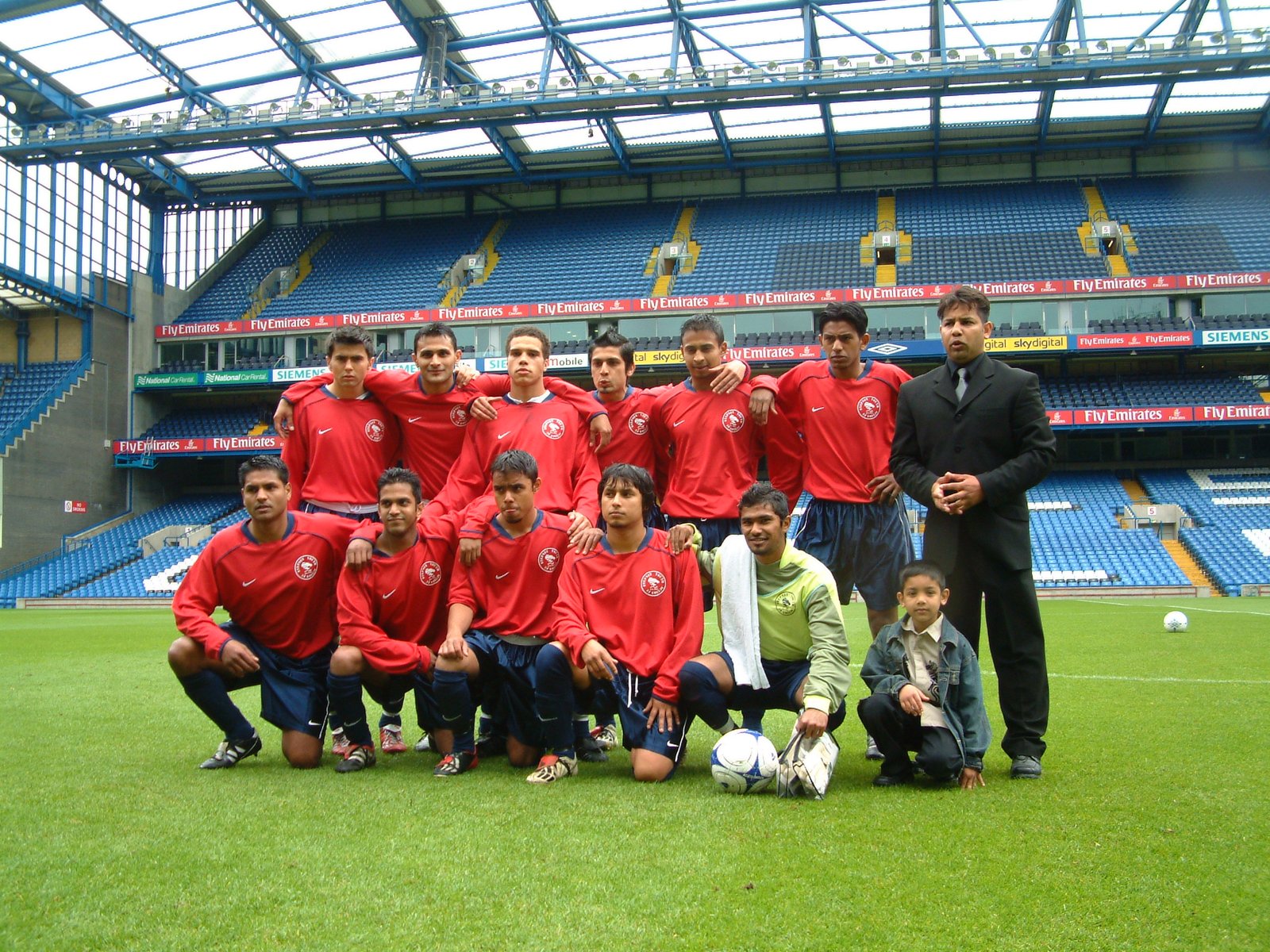
“Now, through the huge village and Upazila tournaments, it is also helping British Bangladeshis reconnect with the places their parents and grandparents came from.
“When you follow this history, you realise that football provides a remarkable way of telling the story of British Bangladeshi life itself.”
Despite its significance, the history of organised Bangladeshi football in Tower Hamlets has never been comprehensively documented.
Some of those involved in the earliest teams are now elderly or have sadly passed away, while photographs, old team kits, flyers and other material documenting their experiences remain in private collections and are at risk of being lost.
Bengal United will train young volunteers in local history research and oral history interviewing. They will then help identify and record the stories of players, coaches, managers, organisers, families and others who contributed to the development of the game.
The project will also place these personal stories within the wider history of the East End.
Early Bengali football teams were closely connected to youth organisations that became involved in the borough’s anti racist movement during the 1970s.
As clubs became more established and began competing beyond the community, football also created opportunities for interaction between Bengali and non-Bengali communities.
Jamil Iqbal, Chair of the Swadhinata Trust, said: “Football is one of the great untold stories of the British Bangladeshi experience in Tower Hamlets. It has been part of our community for generations, but so much of that history survives only in people’s memories, family photographs and personal collections.
“We are delighted that Tharik is leading Bengal United. He brings considerable experience as a historian, writer and heritage professional, but importantly he also knows this story from the inside.
“Our hope is that this project will finally give this vital part of our heritage the visibility and recognition it deserves, and preserve it for future generations.”
The material uncovered through Bengal United will ultimately be shared through a free online resource, an educational publication and a touring exhibition.
Oral histories and selected digitised material will also be permanently preserved and made publicly accessible through Tower Hamlets Local History Library & Archives.
The project is being delivered with support from organisations including Tower Hamlets Local History Library & Archives, Queen Mary University of London, Four Corners and the Oral History Society, bringing together expertise in archives, research, oral history, community heritage and public engagement.
Bengal United will culminate in a public celebration showcasing the project’s research and outputs and, for the first time, bringing together the stories of generations of people who made football an integral part of British Bangladeshi life in Tower Hamlets.