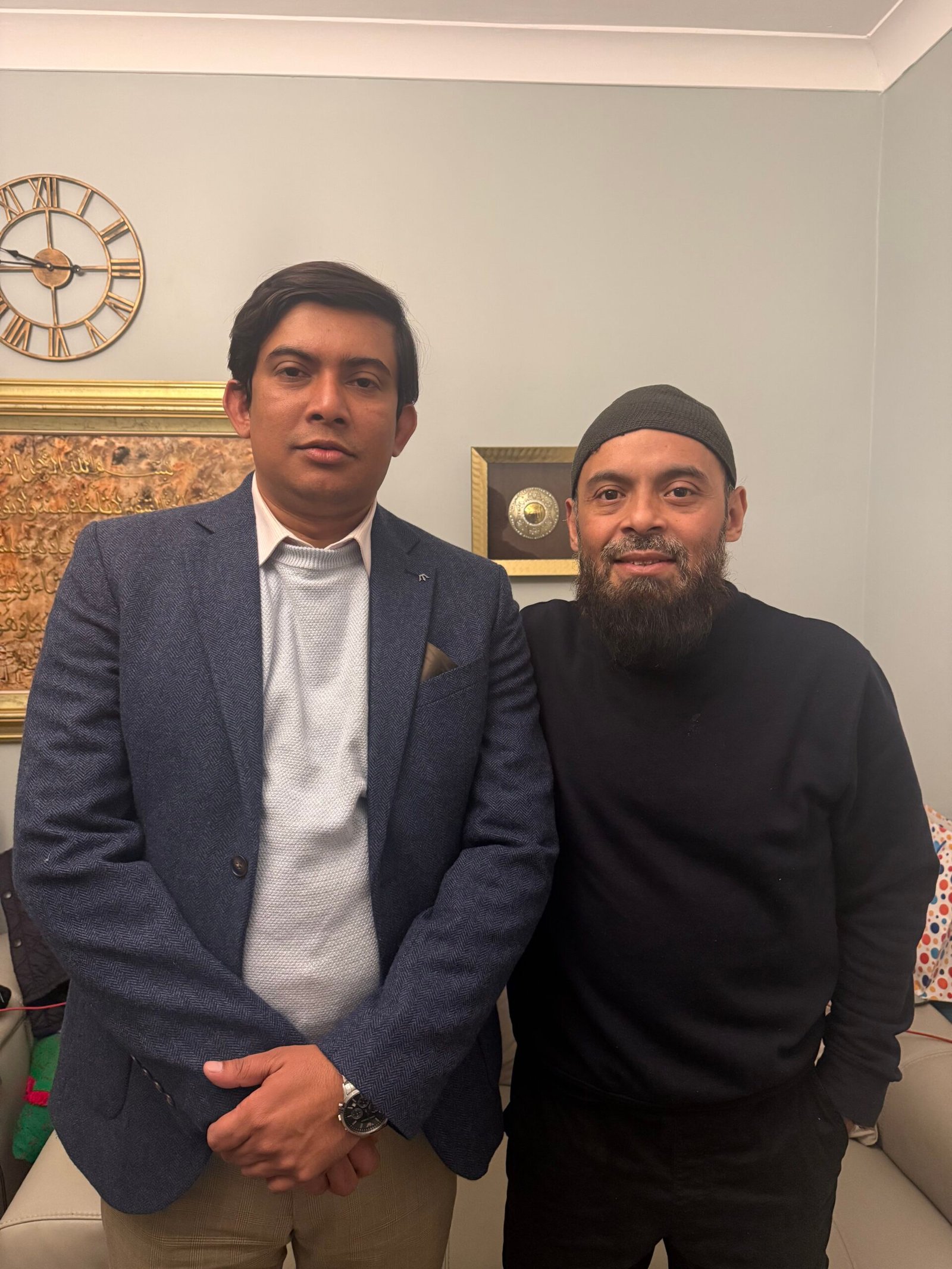
Interview Feature: Advocate Ahmad Reza
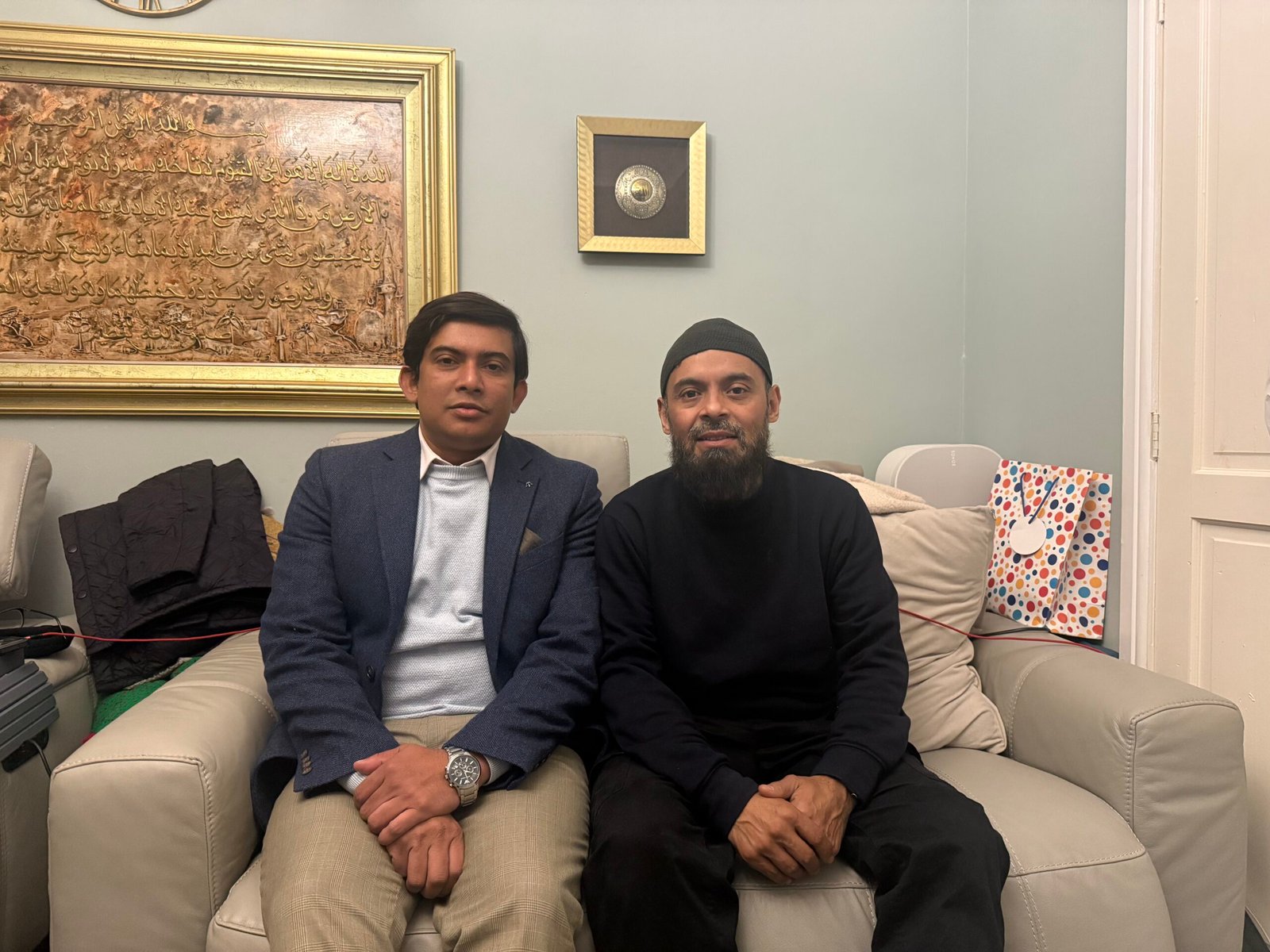
Grounded Leadership from Beanibazar
At 42, Advocate Ahmad Raza carries a quiet confidence shaped by law, legacy, and years spent walking alongside people rather than speaking above them. As President of Beanibazar Upazila BNP in Beanibazar, his journey reflects a wider truth seen across rural communities globally: real leadership grows from lived experience, not distance.
Raised in an environment where service to others was a daily commitment, Ahmed credits much of his outlook to his father, a respected community activist who dedicated his life to social development and public wellbeing and he recalls, “that influence instilled a deep sense of responsibility early on and I often reflect that change is not something to wait for, but something to actively build.”
His academic path in law provided the structure to support that mission. Completing his LLB in 2009 and LLM in 2012, Ahmad equipped himself with the legal tools to advocate not only in courtrooms but within communities. For him, law and social action go hand in hand; one gives voice, the other gives direction.
The transition into mainstream politics, he explains, was driven by necessity rather than ambition. Years of grassroots activism built trust and understanding, but he recognised that without a formal platform, the ability to influence policy and deliver sustainable change remained limited.
Inspired by former Bangladesh President Ziaur Rahman, a freedom fighter and former sector commander, whose leadership shaped the nation – Ahmad found alignment with the ideals of service, resilience, and national development. His involvement with politics therefore became a natural extension of his values.
After years of consistent engagement at the community level, being entrusted with leadership in Beanibazar is something he speaks about with both pride and humility. He said, “I see the role not as status, but as a responsibility to deliver, to listen, and to remain accountable to the people I represent.”
There is a clear sense of purpose in how he approaches this chapter of his journey, driven by what he describes as a “thirst to do good.”
Across Beanibazar, the challenges he identifies are both immediate and deeply rooted: “Rising living costs continue to stretch families, often forcing difficult decisions between essentials such as food, healthcare, and education.
“Access to healthcare remains uneven, particularly affecting the elderly and vulnerable. Schools, especially in rural pockets, face limitations in resources and infrastructure, impacting long term outcomes for young people.”
He also highlights the growing concern of youth migration. Many young individuals leave in search of opportunity elsewhere, creating a gap in local development and continuity. He added, “At the same time, those who remain often face limited access to digital infrastructure, restricting their ability to compete and connect in an increasingly global world.”
Environmental pressures are another reality shaping rural life. Changing weather patterns are affecting agriculture, making traditional livelihoods more uncertain. Ahmed stresses that these are not isolated problems, they are interconnected, requiring co-ordinated and practical solutions rather than fragmented efforts.
His approach to addressing these issues is grounded in steady, realistic progress. He speaks about development as a system rather than a single initiative, where roads, schools, healthcare, and digital access must all improve together. Central to this vision is trust. He emphasises that without transparency and integrity, no meaningful progress can be sustained. Avoiding dishonesty and delivering on commitments, he insists, are non negotiable foundations of leadership.
A defining aspect of Ahmed’s outlook is his emphasis on unity. He advocates for a politics that brings people together rather than dividing them. In his view, “communities thrive when there is collaboration across generations, genders, and even political lines”. He sees his role as a bridge – someone who can connect perspectives and create space for collective progress.
Youth engagement sits at the heart of his long term vision. He describes the young population of Bangladesh as its backbone, a driving force that must be nurtured and empowered.
Education plays a central role in this, but he is quick to point out that it goes beyond formal schooling. It is about mindset and instilling confidence in rural students so they believe they can contribute at both national and global levels.
Alongside education, he places strong importance on sports and recreational activities as tools for social cohesion. In his view, “these platforms build discipline, confidence, and unity, helping to strengthen community bonds while offering positive pathways for young people.”
Drawing on observations from life in the UK and broader global contexts, Ahmed acknowledges the value of discipline, structured systems, and long term planning: “I believe there is much to learn from international experiences.” And he stresses the importance of adapting lessons thoughtfully to local realities rather than adopting them blindly. He also encourages diaspora communities to remain engaged, recognising the potential of their knowledge and networks to contribute meaningfully to development back home.
When speaking about legacy, Ahmad’s focus remains grounded, “I do not frame success in terms of position or recognition, but in impact, inspiring young people to act with integrity, building trust within communities, and creating connections that endure beyond my tenure and what I hope to leave behind.”
His message to the people of Beanibazar is one of belief and collective responsibility. He speaks about the strength, talent, and untapped potential within the community, urging people both locally and across the diaspora to play an active role in its progress. “Development is not the responsibility of one individual or group, but a shared effort built step by step,” he emphasises.
In a time when rural voices are often overlooked, Advocate Ahmad Reza’s journey stands as a reminder that meaningful change is rooted in connection, consistency, and a genuine commitment to serve.