
London Marathon 2026: The little-known tips that could transform your race day!
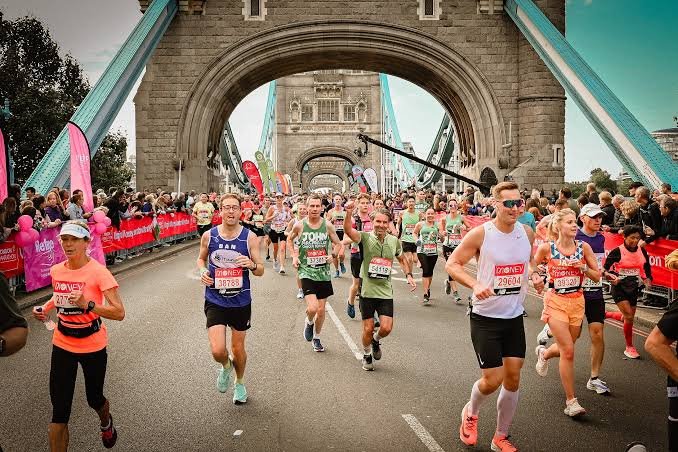
From staying hydrated at on-course water stations to celebrating at the finish line (and even heading to the pub afterwards), preparation in the final weeks is key to how you’ll perform and recover.
To help, Rhysa Phommachanh, Health and Personal Care Specialist at Landys Chemist, shares what to focus on in the final week leading up to a marathon:
“In the final week before a marathon, your body is balancing recovery with maintaining fitness. Training places repeated stress on the body and muscles, causing small amounts of damage that require time to repair and strengthen.
As mileage increases, energy demands rise, meaning glycogen stores are regularly depleted and need consistent replenishment. This is also when runners are more susceptible to fatigue, dehydration, and minor injuries if they overtrain or neglect recovery.
Focusing on rest, nutrition, and hydration now is key to ensuring you arrive at the start line feeling strong rather than run down.”
Here’s Rhysa’s guide to preparing in the final week before the London Marathon:
Plan your hydration around on-course stations
With race day just around the corner, now is the time to finalise your hydration strategy. The London Marathon provides regular water and sports drink stations, but it’s important to stick to what you’ve practiced during training. Consider electrolytes to maintain fluid balance, especially given the long stretches along the Thames and past landmarks like Tower Bridge.
Stick to familiar fuels and don’t try anything new
At this stage, your nutrition strategy should already be set. Avoid introducing new gels, drinks, or supplements in the final week, as this can increase the risk of stomach discomfort on race day. Instead, stick to what your body already knows and tolerates well, particularly with the race’s large crowds and potential queues at aid stations.
Time your carb loading carefully
Focus on gradually increasing carbohydrate intake 2–3 days before race day, rather than overloading too early. This helps maximise glycogen stores without leaving you feeling heavy or sluggish at the start line.
Prepare for the route
London’s iconic route, while mostly flat, features some gentle inclines (Tower Bridge, The Mall) and long stretches of straight roads that can encourage runners to go too fast early. Holding back in the first half is key to avoiding premature fatigue and maintaining energy for the final miles.
Have a recovery plan for after the finish (including celebrations)
After crossing the finish line, your body needs immediate refuelling, ideally a mix of carbohydrates, protein, and fluids within the first hour. If you’re heading out to celebrate, be mindful that alcohol can worsen dehydration, so alternating with water or opting for alcohol-free options can help support recovery while still enjoying the occasion.